
- Consumer preference for a hybrid model: 56% of Hong Kong consumers are aware of AI chatbots and expect AI to enhance service, but still prefer human agents for complex or sensitive interactions.
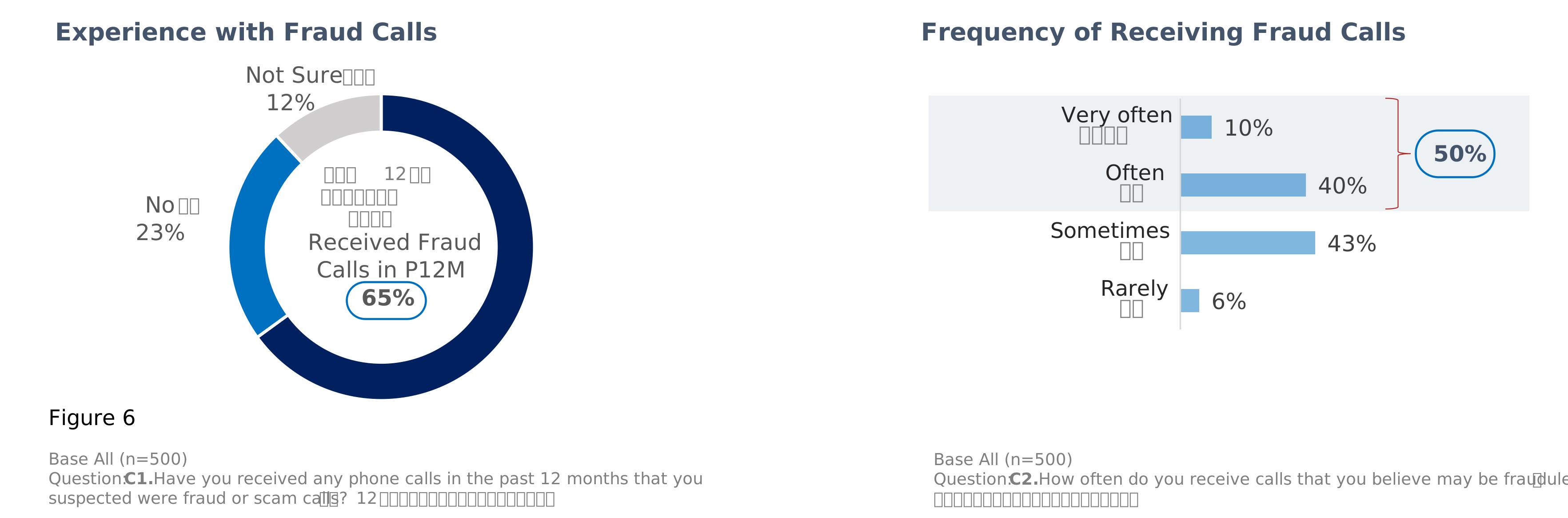
- Trust and security concerns: With 65% of respondents experiencing suspected fraud calls in the past year, trust remains fragile, reinforcing the need for strong verification, transparency and data security.
- Shift in outbound sales: Traditional volume-based outbound sales calls are losing effectiveness, with over 60% of consumers finding them unacceptable. AI offers a path towards targeted, precision outreach.
Hong Kong, 16 June 2026 – Artificial intelligence (AI) is emerging as a central force reshaping how Hong Kong consumers interact with contact centres. While awareness of AI chatbots is widespread, trust remains fragile in a market heavily exposed to scams and unwanted calls. As a result, consumers increasingly favour a hybrid model where AI enhances service delivery, but human agents remain essential for accountability.
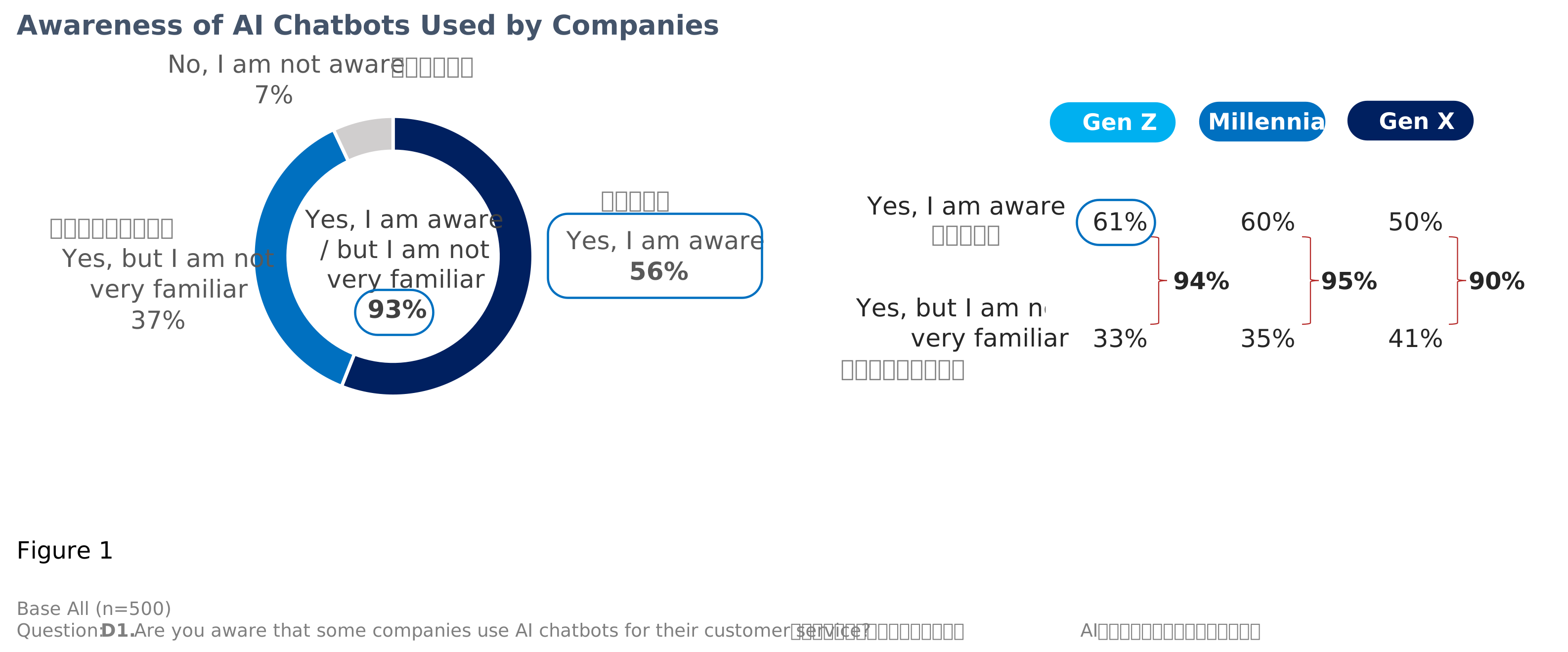
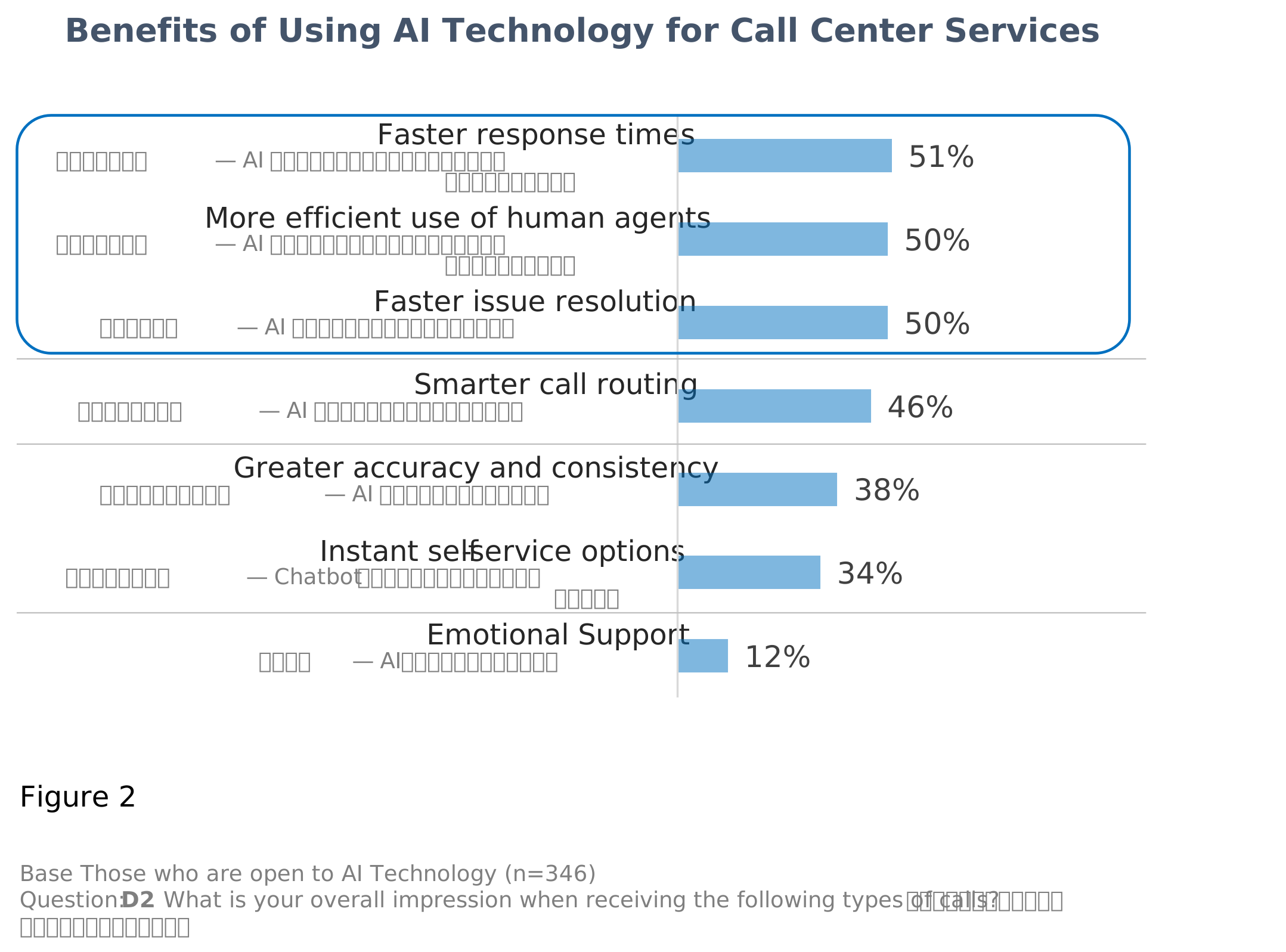
According to the Hong Kong Contact Centre Study 2026, conducted by MDRi and the Hong Kong Customer Contact Association (HKCCA), 56% of consumers are aware that companies use AI chatbots for customer service. Awareness exceeds 60% among Gen Z (see Figure 1). Among those open to AI, expectations focus on efficiency: 51% expect faster response times, while around half expect quicker issue resolution and better use of human agents through AI-supported routing and automation (see Figure 2).
Simon Tye, CEO of MDRi said, “Consumers in Hong Kong are sending a clear message. They want AI to make interactions faster and more consistent, but they still want a human to be accountable when the stakes are high. The winning model is not AI versus humans, but AI plus humans, combining smart orchestration with human judgment where trust and emotion matter most.”
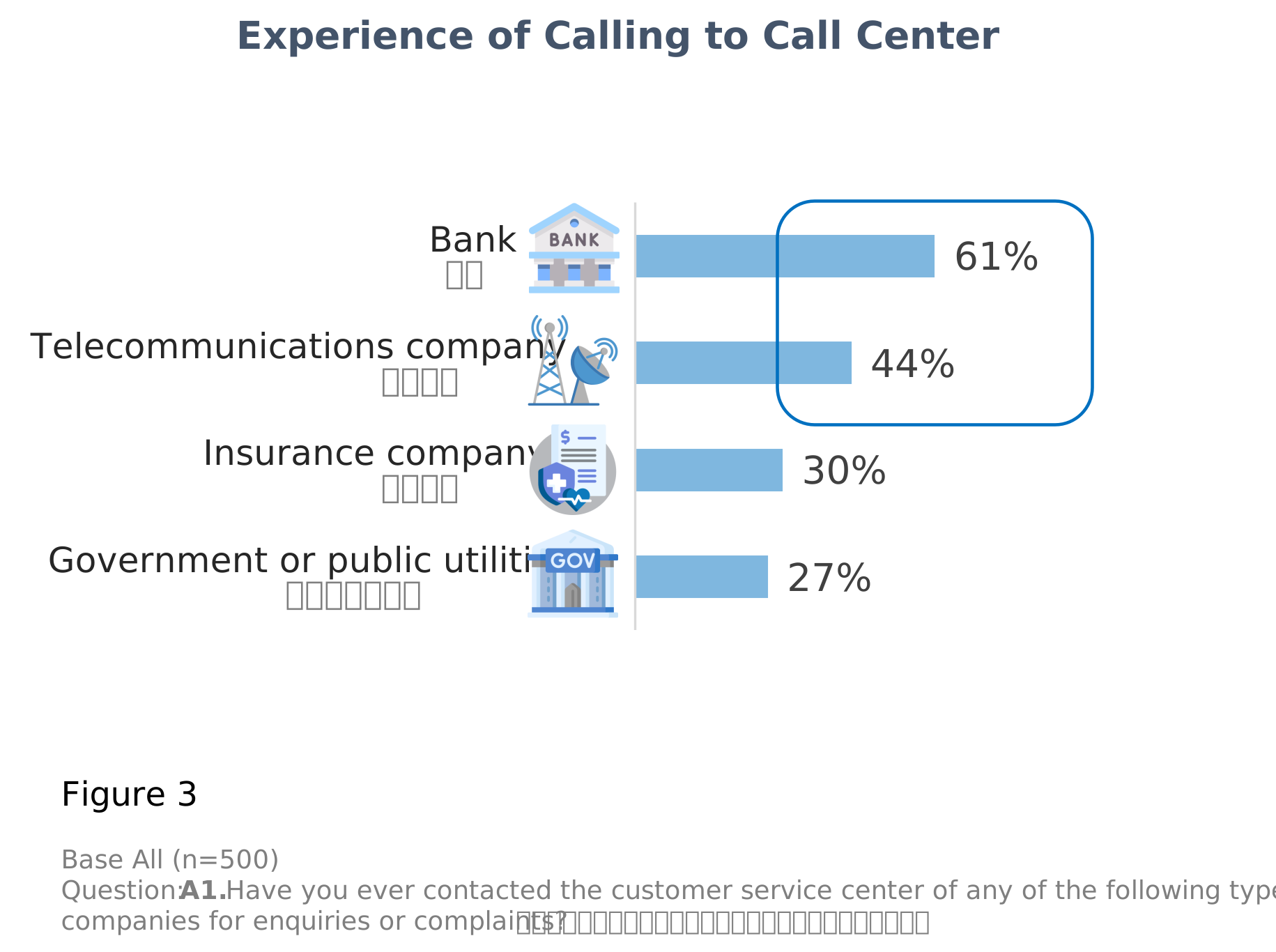
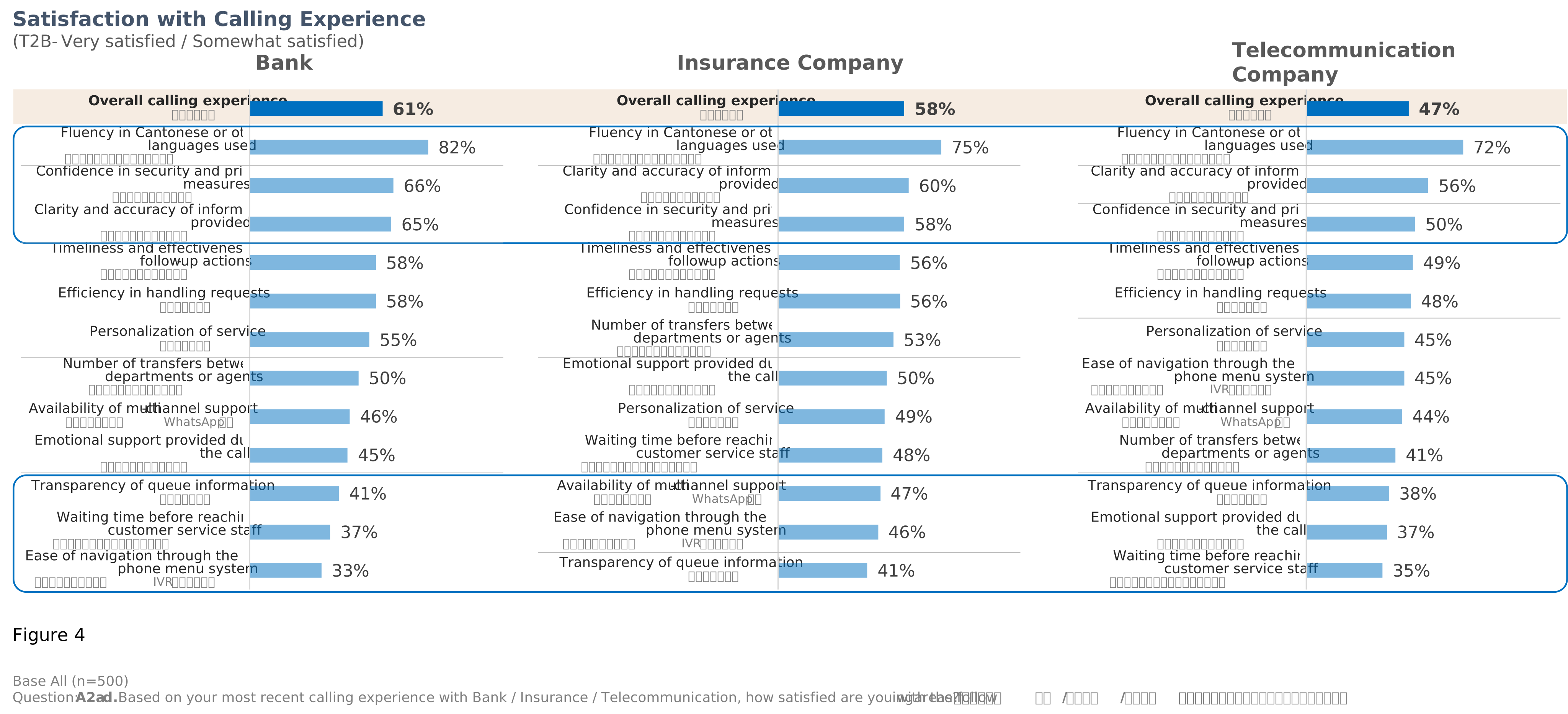
Inbound service calls remain a key touchpoint, particularly for banks and telecommunications companies, where many consumers first encounter AI-enabled services. The study shows that 61% of respondents have contacted bank call centres and 44% telecom providers (see Figure 3). Satisfaction is strongest where fundamentals such as Cantonese fluency and clear communication are in place, and where AI improves routing, manage queues and simplifies complex IVR journeys (see Figure 4).
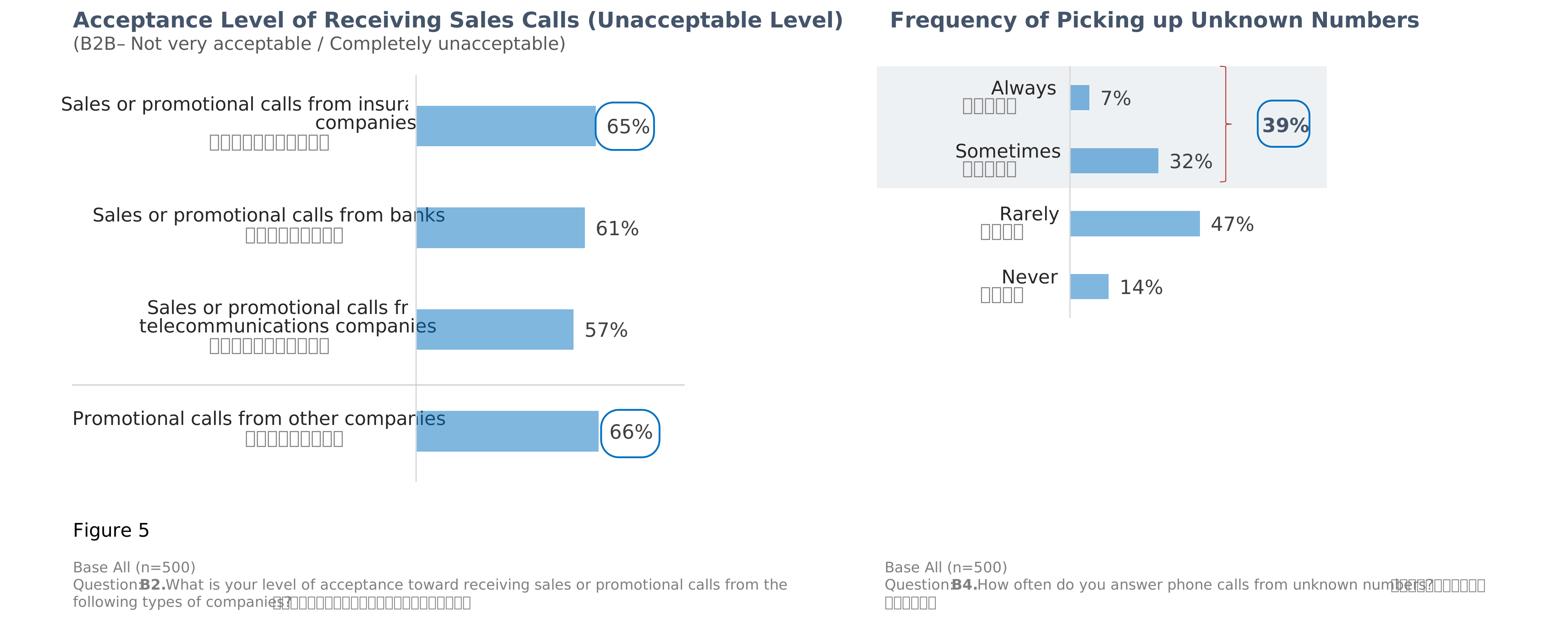
By contrast, outbound sales continue to struggle. Around 60% or more of respondents say sales or promotional calls from banks, insurers, telecoms and other companies are unacceptable. Only 39% say they always or sometimes answer calls from unknown numbers (see Figure 5). These findings suggest that traditional volume-driven approaches are no longer effective. Instead, AI can enable a shift to precision outreach, using predictive analytics and better targeting so that fewer, more relevant calls are made, based on recognition and consent rather than interruption.
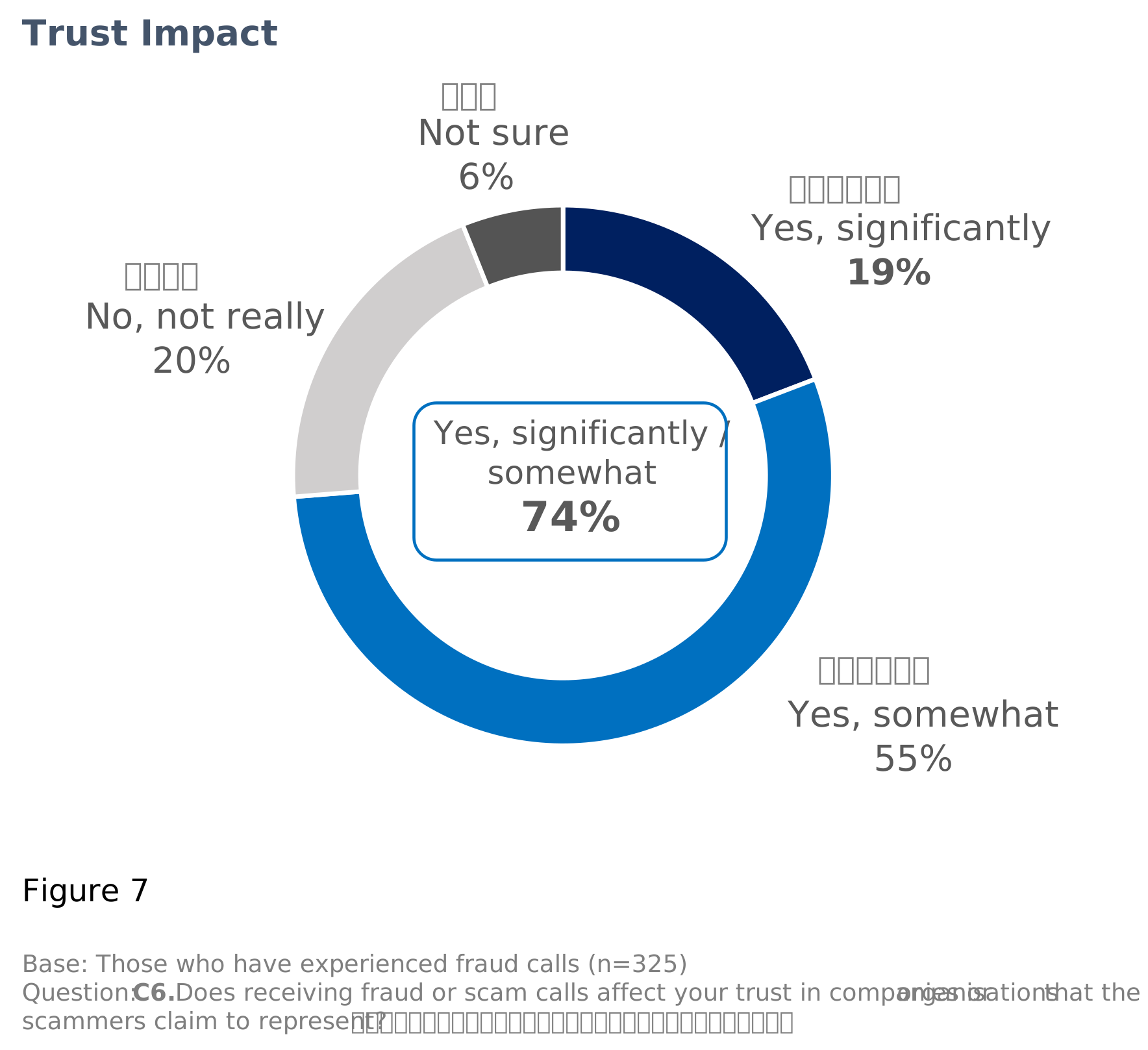
This shift is taking place against a backdrop of high exposure to fraud and scam calls, which significantly affects consumer trust. The study finds that 65% of respondents received suspected scam calls in the past 12 months, with half reporting that these occur often or very often (see Figure 6). Nearly three quarters (74%) say such calls affect their trust in the organisations scammers claim to represent (see Figure 7). As a result, every genuine interaction, AI assisted or otherwise, must work harder to establish credibility.
Chapman Lam, Chairman of the HKCCA, said, “Every unknown call is now treated with suspicion because of the scale and sophistication of fraud. AI must be part of the solution. From network-level verification to intelligent caller ID and real-time risk scoring, AI can help businesses prove identity quickly and protect customers before damage is done.”
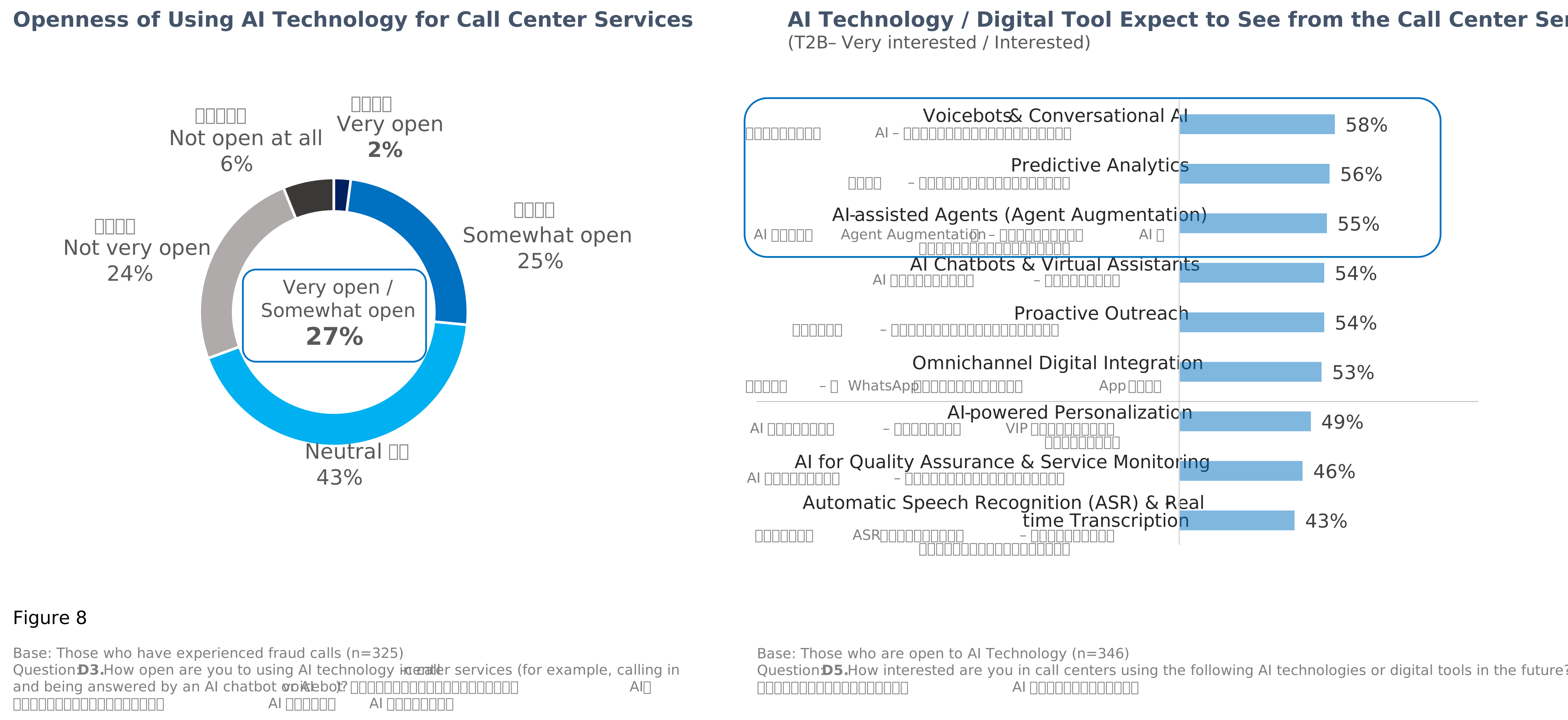
Overall, openness to AI in call centres is cautious but meaningful. While 27% of respondents are open to using AI, 43% remain neutral, indicating a large segment that could be converted if experiences are clearly beneficial. Interest strongest in voicebots and conversational AI (58%), followed by predictive analytics (56%) and AI assisted human agents (55%), highlighting demand both for frontline tools and back-end intelligence (see Figure 8).
Consumers are also clear about where AI is appropriate. For simple enquiries, 39% prefer AI interaction, and 32% prefer AI for status updates, reflecting demand for speed and convenience. However, human agents are strongly preferred for high-stakes interactions: 84% favour humans for complaints or disputes, and 82% for emergency or complex issues requiring judgment and explanation (see Figure 9).
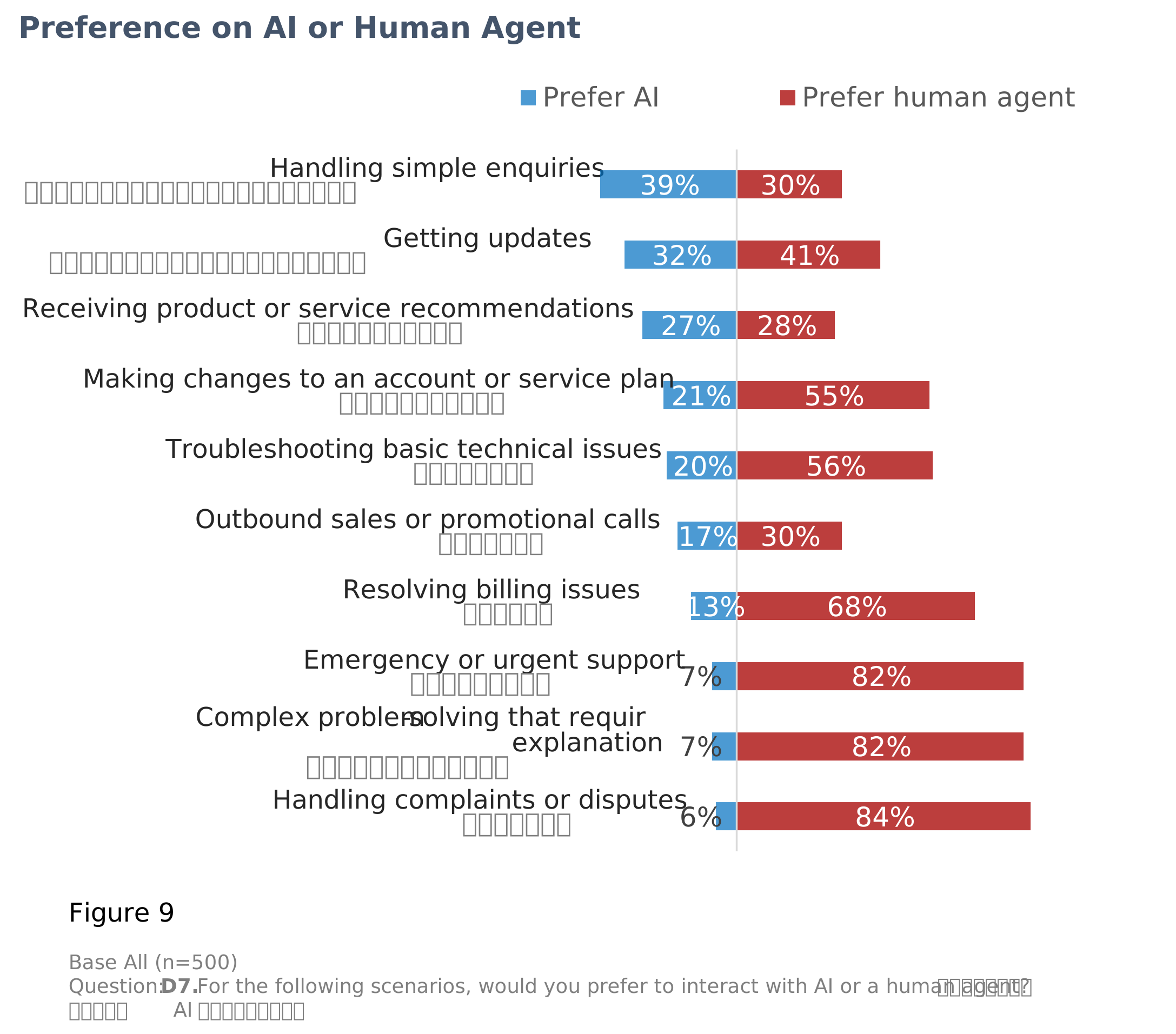
Simon Tye added, “AI should deliver speed, simplicity and scale, while humans provide empathy, explanation and escalation. This is not just a technology roadmap, but a service blueprint for rebuilding trust in a climate of scepticism and risk.”
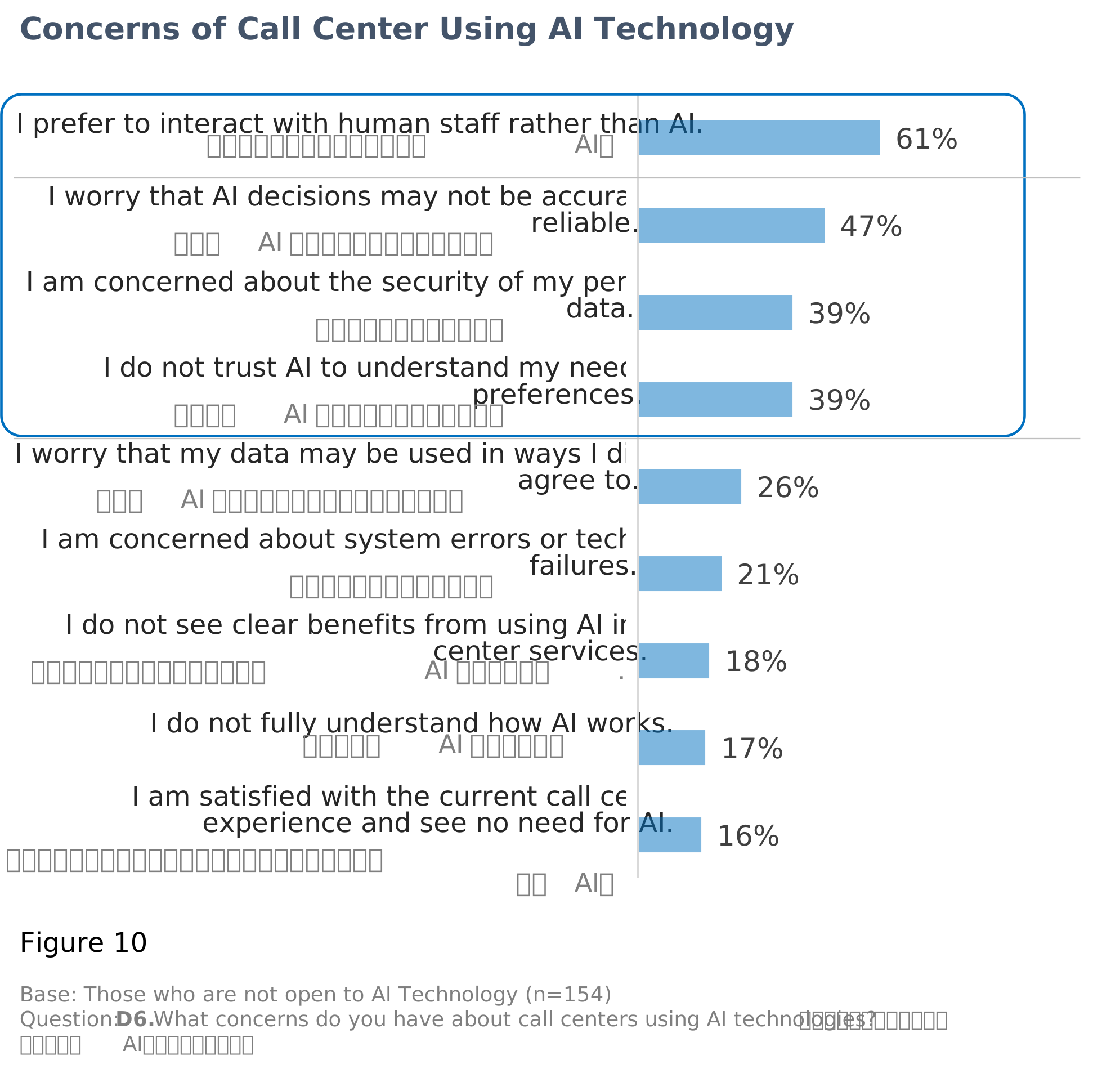
The study also highlights barriers to wider adoption. Among those not open to AI, 61% prefer human interaction, while 47% express concerns about accuracy and reliability. Around four in ten raise concerns about data security and how their information may be used, underscoring the importance of transparency and governance (see Figure 10).
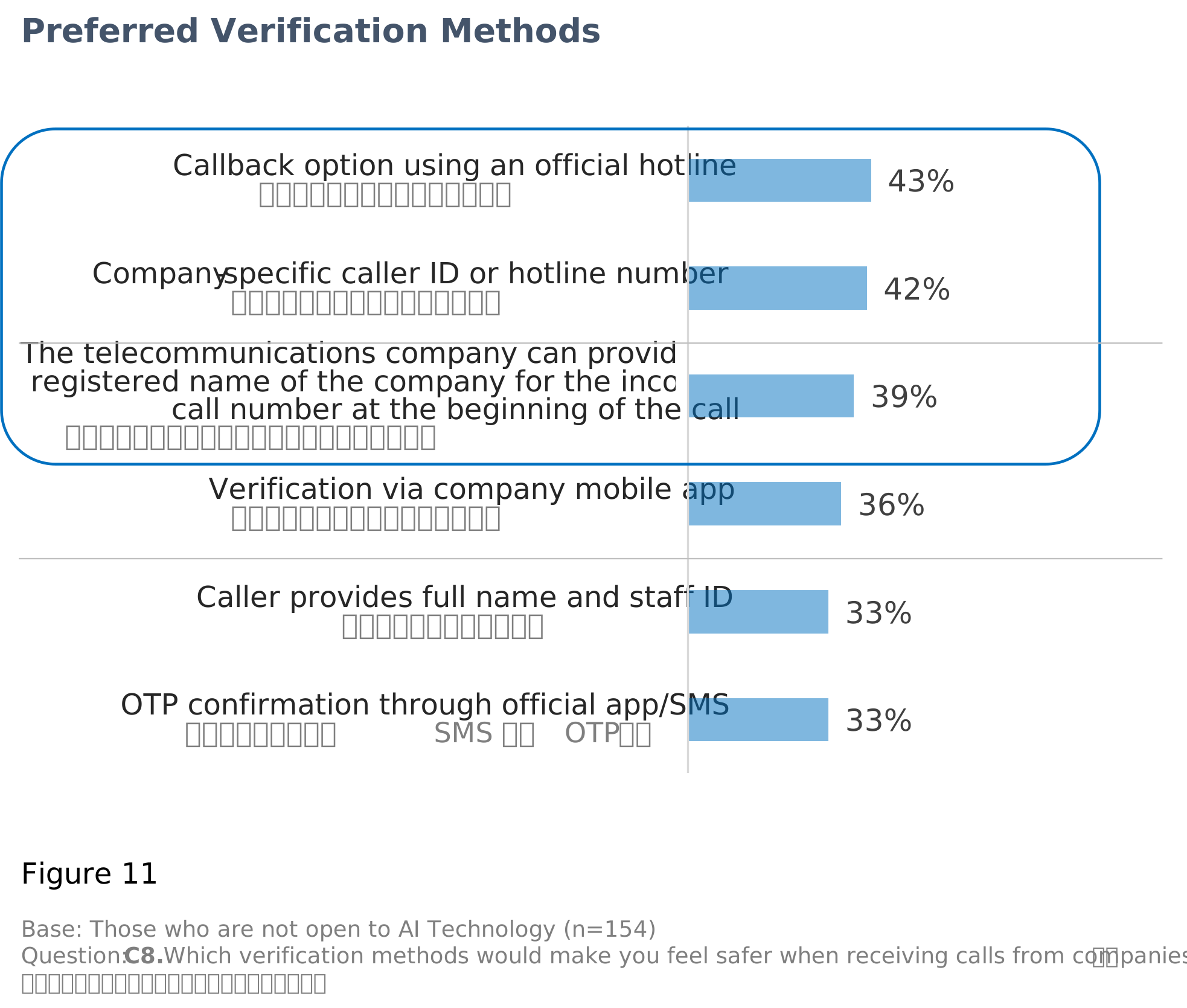
When it comes to building trust, consumers point to practical safeguards. A total of 43% say a call-back option via an official hotline would reassure them, 42% prefer company-specific caller IDs, and 39% value telecom-verified display of company names at the start of calls (see Figure 11). These findings point to the need for closer collaboration between businesses, telecom operators and regulators to strengthen verification.
Chapman Lam concluded, “Trust can no longer be built through scripts alone. It must be embedded in technology and safeguards. By combining advanced AI with strong consumer protection and clear enforcement of the Person-to-Person Marketing Calls Code of Practice, Hong Kong contact centres can evolve from a source of anxiety into a trusted service channel.”
About MDRi
Based in Hong Kong and with operations in London and Singapore, MDRi is a leading provider of business insights, empowering organisations with data-driven advice to make informed decisions and drive growth.
Through advanced analytics, industry expertise, and innovative methodologies, MDRi uncovers strategic opportunities, mitigates risks, and helps businesses stay ahead in a rapidly evolving marketplace. With a commitment to excellence and client-centricity, MDRi is revolutionising the way organizations harness insights for success.
About Hong Kong Customer Contact Association (HKCCA)
The Hong Kong Customer Contact Association (HKCCA), formerly known as the Hong Kong Call Centre Association, was established in September 1999.
As a not for profit organisation, HKCCA is dedicated to advancing the customer contact industry — encompassing both online and face to face interactions — in Hong Kong and across the Greater China region. HKCCA collaborates closely with the Hong Kong Government and leading associations throughout the Asia Pacific to establish industry standards, identify emerging opportunities, and drive strategic initiatives. Through these efforts, HKCCA contributes meaningfully to the professional development of the sector and to the broader economic growth of Hong Kong.
About the Hong Kong Contact Centre Study 2026
The Hong Kong Contact Centre Study 2026 is an independent research initiative conducted by MDRi in collaboration with the Hong Kong Customer Contact Association. The study is based on an online survey of 500 Hong Kong residents aged 18 and above, with quotas on gender and age to approximate the Hong Kong population profile and post stratification weighting where needed. It examines inbound service calls, outbound person-to-person (P2P) sales calls, fraud and scam call exposure, and current attitudes towards AI, voicebots and other digital tools in customer contact.