
Financial sentiment improves in Hong Kong while Singapore maintains regional lead
As the Year of the Horse begins, MDRi’s latest cross‑market survey of 1,000 respondents across the general population in Hong Kong and Singapore highlights residents’ evolving financial sentiment and economic outlook for the year ahead. The findings reveal steady optimism across both markets, a notable rebound in sentiment among Hong Kong respondents, and sustained confidence within the Affluent segment regionally. Hong Kong’s 2026–27 Budget, delivered on 25th February, 2026 by Financial Secretary Paul Chan, further supports this improvement, signalling a return to surplus and reaffirming the Government’s commitment to easing pressures on households and small businesses while investing in future growth sectors.
General sentiment: Hong Kong strengthening as Singapore leads
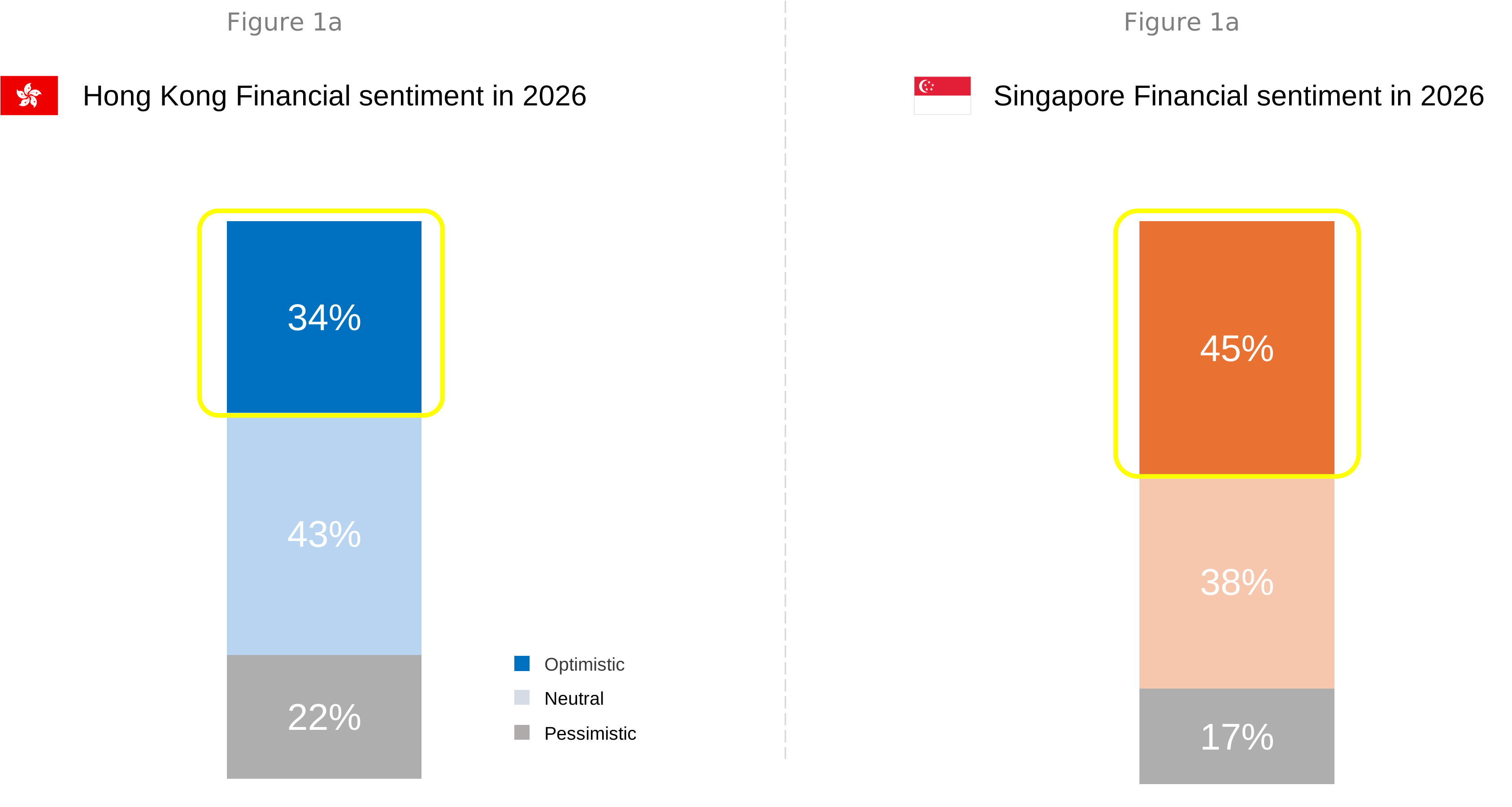
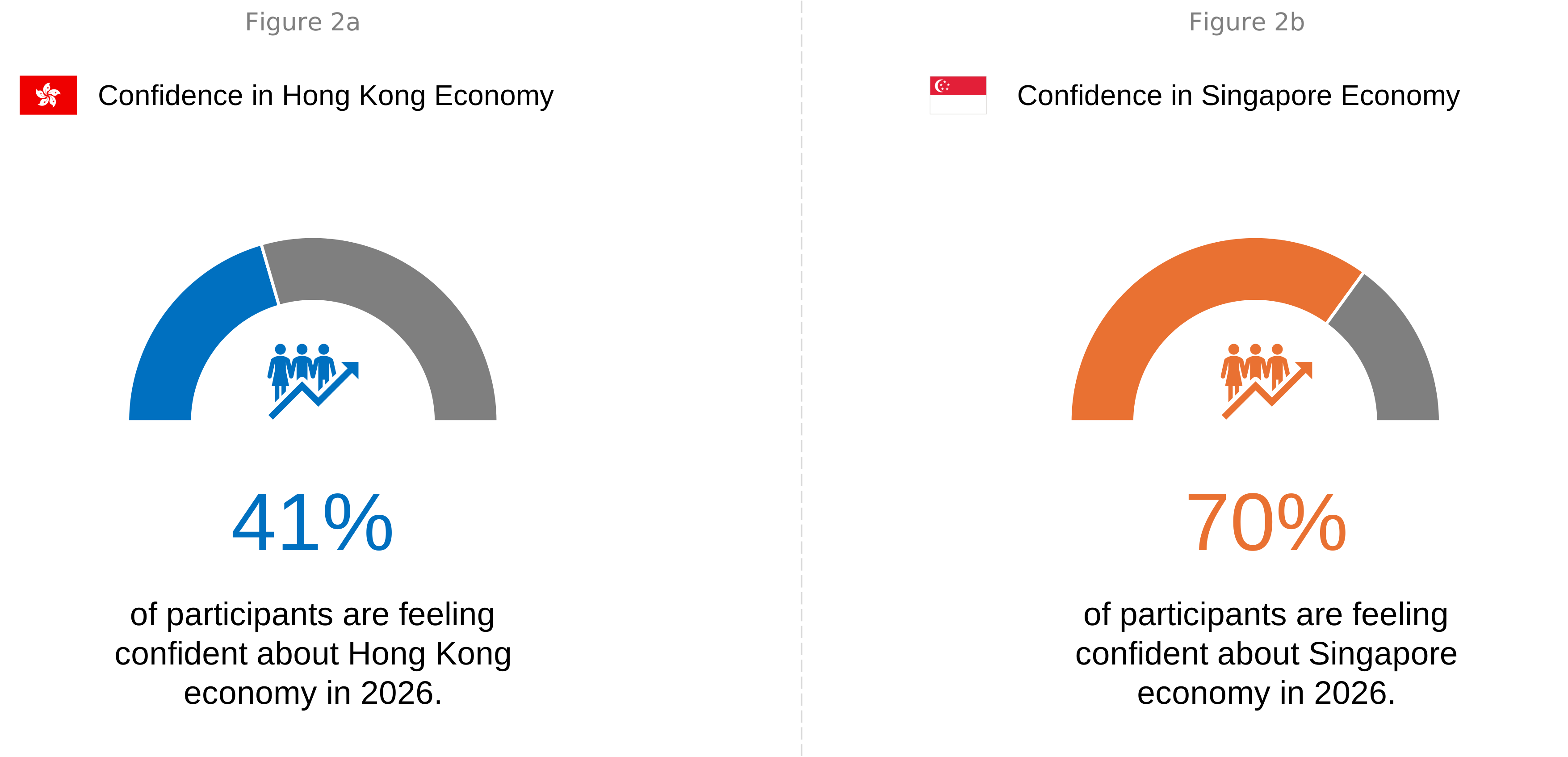
In Hong Kong, 34% of respondents expect their financial situation to improve in 2026, compared with 45% in Singapore (Figures 1a & 1b). Hongkongers are also becoming more positive about the macro environment: 41% are optimistic about the local economy, versus 70% of respondents in Singapore (Figures 2a & 2b). While Singapore continues to lead on headline confidence, Hong Kong’s sentiment is clearly on an upward trajectory from last year’s lower base.
The latest Budget underpins this shift by confirming that Hong Kong has returned to a surplus after the pandemic years and by outlining a targeted, but supportive, fiscal stance. The Government has emphasized prudent management of public finances alongside focused relief for citizens and enterprises and renewed investment in innovation, finance and integration with national development strategies. This combination is intended to stabilize expectations in the near term while strengthening confidence in Hong Kong’s medium‑term growth prospects.
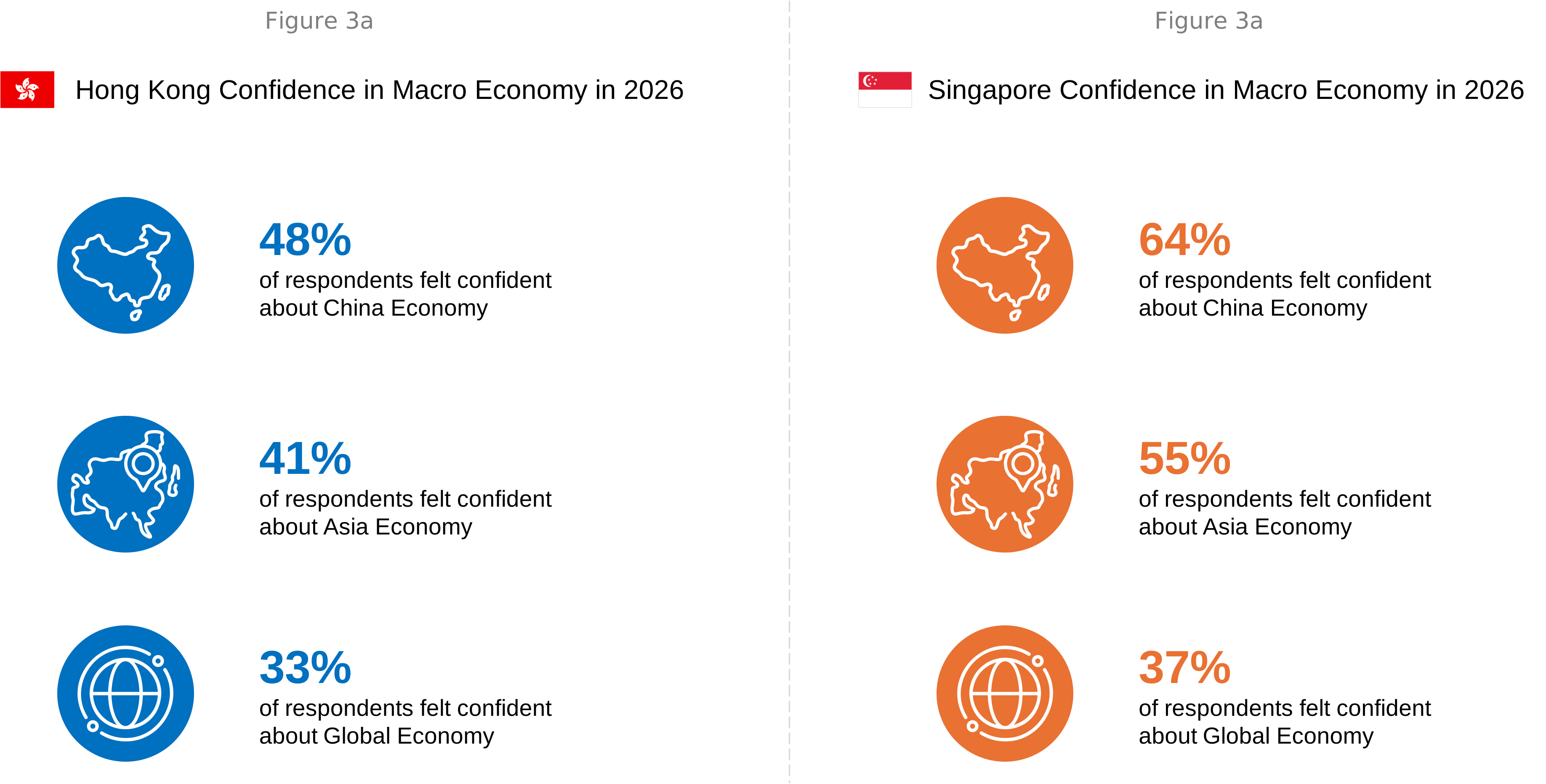
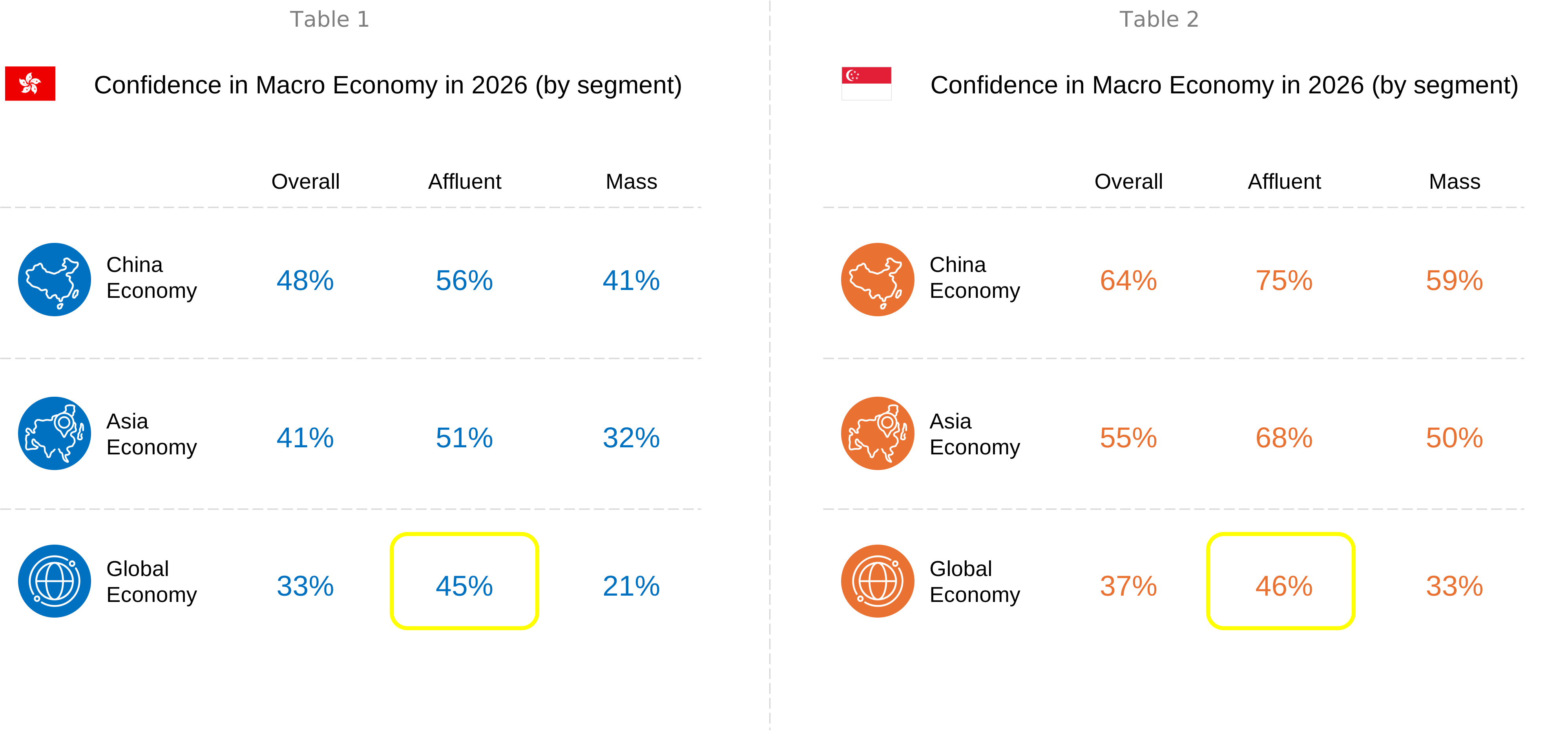
From a broader perspective, both Hong Kong and Singapore remain constructive on the regional environment. In terms of China’s economic outlook, 48% of Hong Kong respondents and 64% of Singapore respondents are optimistic (Figures 3a & 3b). Confidence in the wider Asian economy is higher in Singapore at 55%, while Hong Kong is more cautious but still positive. By contrast, optimism toward the world economy is relatively low in both markets, underlining that global uncertainty remains a key concern even as regional sentiment holds up (Figures 3a & 3b).
Rising optimism in Hong Kong: clear signs of rebound
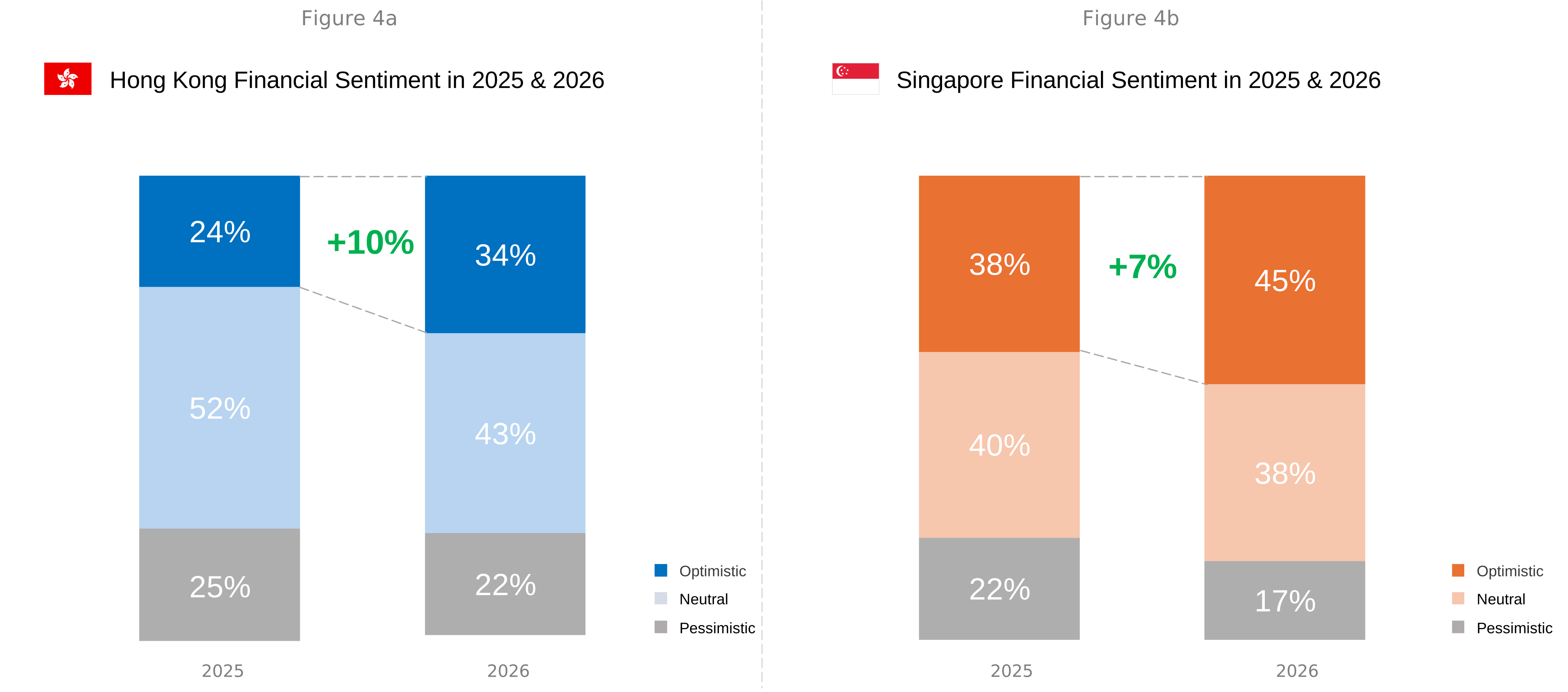
Positive sentiment toward personal finances in Hong Kong rose by 10% year‑on‑year, outpacing Singapore’s 7% increase and signalling improving confidence in a gradual local recovery (Figures 4a & 4b). This rebound coincides with the shift in fiscal focus from broad‑based emergency support to a more calibrated approach that maintains relief where needed and channels resources into sectors seen as critical for Hong Kong’s next phase of growth.
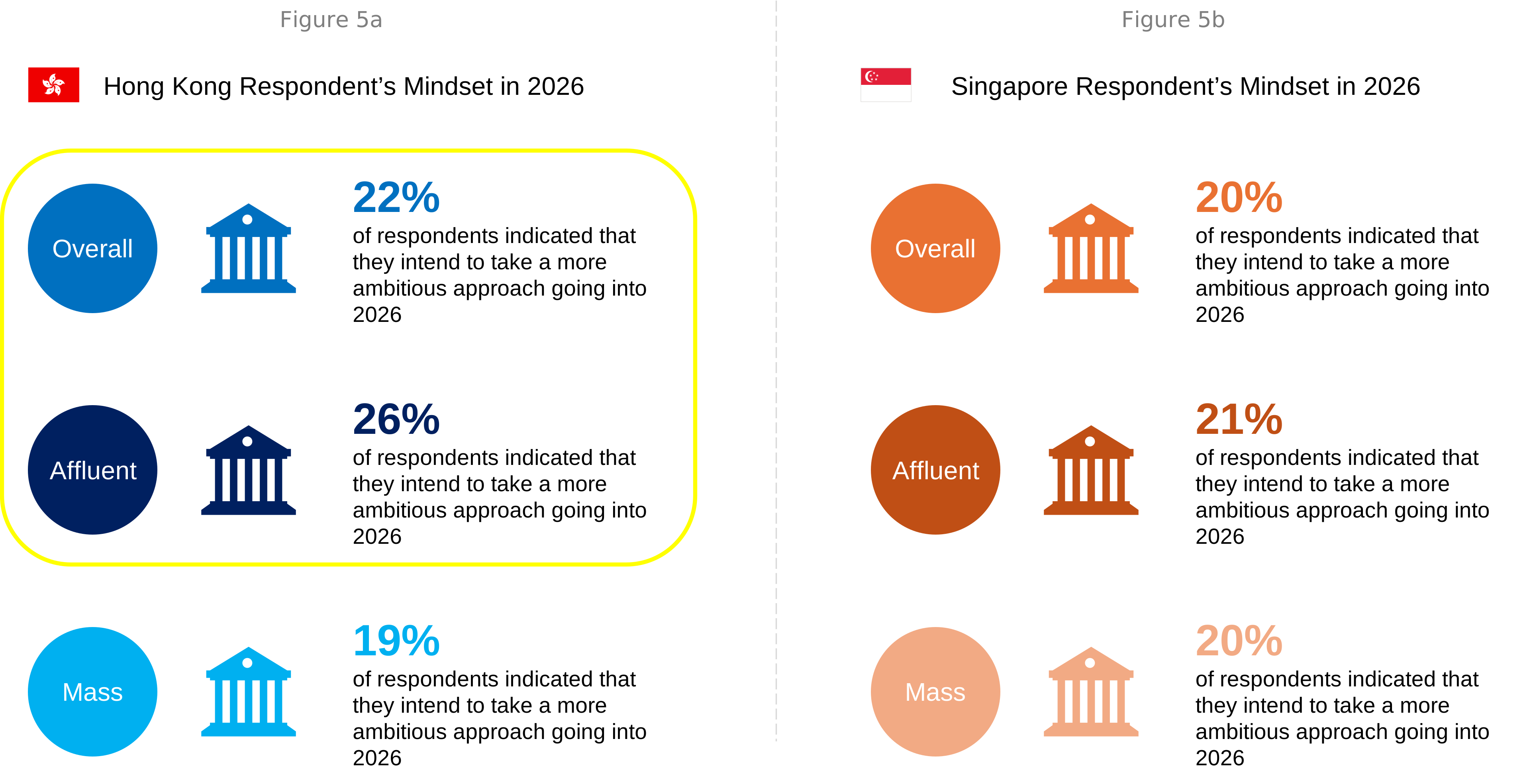
The survey also reveals a more ambitious mindset among Hong Kong residents entering the new year. Overall, 22% of Hong Kong respondents report a stronger focus on growth, compared with 20% in Singapore (Figures 5a & 5b). The difference is more pronounced among Affluent individuals, where 26% of Hong Kong’s Affluent segment report a growth‑oriented outlook versus 21% in Singapore (Figures 5a & 5b). This sharper ambition suggests that Hong Kong people—particularly those in higher income brackets—are regaining confidence and displaying a renewed appetite for advancement, investment and new opportunities in 2026, in line with the policy emphasis on innovation‑driven and high‑value‑added development.
Strength in the Affluent segment: driving confidence across the region
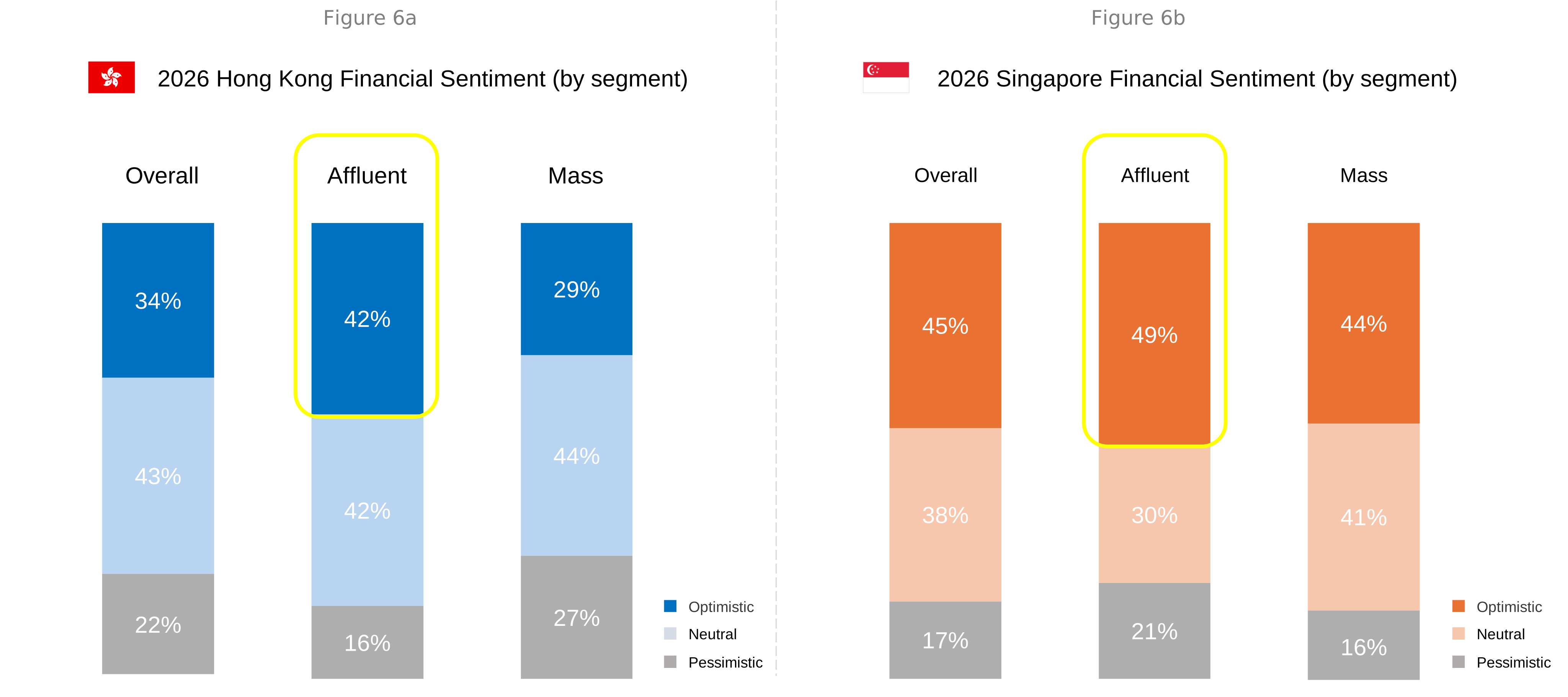
Affluent individuals across both markets remain the most optimistic demographic, reinforcing their role as key drivers of consumer sentiment and spending power in the region. In Hong Kong, 42% of Affluent respondents express financial optimism for 2026, compared with 49% in Singapore (Figures 6a & 6b). Although the absolute level is higher in Singapore, Hong Kong’s Affluent segment stands out for its stronger tilt toward growth, as reflected in their forward‑looking attitudes and willingness to seek new opportunities.
Affluent respondents also demonstrate greater confidence in the global economic environment than the general population—45% in Hong Kong and 46% in Singapore—versus 33% and 37% respectively among the general population (Table 1 & 2). This reflects their diversified investment exposure and higher financial adaptability. In Hong Kong, their optimism is further supported by a policy agenda that combines continued, targeted relief with investment in innovation‑led growth and deeper regional connectivity. Importantly, the Budget’s theme of “high‑quality, inclusive growth with innovation and finance” aligns closely with the behaviour and expectations of this Affluent segment, which is increasingly focused on seizing opportunities in new economy sectors, cross‑boundary finance and the wider Greater Bay Area. Their confidence is expected to act as a stabilizing force for regional consumption and discretionary spending. As the Year of the Horse ushers in renewed economic momentum, the confidence of Affluent consumers points to a cautiously optimistic outlook—one that signals stabilising growth and a gradual rebuilding of regional prosperity.
Simon Tye, CEO of MDRi, commented:
The data point to a broadly resilient outlook across the region, with Singapore maintaining a clear lead on headline confidence and Hong Kong showing a meaningful improvement from last year. For Hong Kong in particular, the combination of a more supportive fiscal stance and a distinctly growth‑oriented Affluent segment suggests a more constructive environment for investment, wealth creation and cross‑border business in 2026.